Why Your Clean Space Isn’t Healthy (And What Actually Works)
You tidy up, swap plastic for bamboo, and open the windows—feeling proud of your healthier home. But what if some "clean" habits are secretly harming your well-being? I learned this the hard way. After months of fatigue and brain fog, I discovered my so-called healthy environment was full of hidden pitfalls. It’s not just about cleanliness—it’s about optimizing your space for real health. Let’s unpack the myths. What feels clean isn’t always safe, and what looks natural isn’t always harmless. The truth is, many well-intentioned efforts to create a healthier home can backfire without proper understanding. This article explores the science behind everyday environments and reveals how subtle, often overlooked factors can quietly undermine your energy, sleep, and long-term wellness. It’s time to move beyond surface-level cleaning and build a home that truly supports health from the inside out.
The Illusion of Clean: When “Healthy” Choices Backfire
A spotless home often brings a sense of accomplishment. Floors gleam, surfaces sparkle, and the air smells faintly of lemon or lavender. Yet, appearances can be deceiving. The modern pursuit of cleanliness has, in many cases, shifted from hygiene to obsession—sometimes at the cost of actual health. The belief that a sterile environment equals a healthy one is deeply ingrained, but research increasingly shows the opposite: over-sanitizing can weaken immune resilience and increase sensitivity to allergens. The human body evolved alongside microbes, and a complete absence of microbial exposure, especially in early life, has been linked to higher rates of allergies and autoimmune conditions—a phenomenon known as the hygiene hypothesis.
One common misstep is the overuse of so-called natural cleaners. While swapping bleach for vinegar or castile soap seems like a healthier choice, even plant-based solutions can cause harm if used excessively or improperly. For instance, vinegar is acidic and can erode grout, damage stone countertops, and release irritants when mixed with other substances. Essential oils, often marketed as safe alternatives, can trigger respiratory irritation in sensitive individuals, particularly when diffused continuously. Furthermore, many products labeled "organic" or "eco-friendly" are not regulated for chemical safety, meaning they may still contain volatile organic compounds (VOCs) or undisclosed synthetic fragrances that affect indoor air quality.
Another pitfall lies in the emotional comfort derived from visible cleanliness. People often equate a tidy space with safety and control, leading to repetitive cleaning behaviors that may increase exposure to cleaning agents. The psychological reward of a spotless kitchen or bathroom can outweigh the physical cost—such as skin irritation, respiratory discomfort, or hormonal disruption from endocrine-disrupting chemicals found in some cleaners. True environmental health isn’t about eradicating all germs; it’s about creating a balanced ecosystem where harmful pollutants are minimized, and beneficial elements—like fresh air, natural light, and microbial diversity—are encouraged. The shift must be from extreme cleanliness to intelligent stewardship of the home environment.
Toxic Traps in Plain Sight: Everyday Items That Sabotage Health
Many of the items considered staples of modern living quietly emit substances that can impair health over time. These are not dramatic poisons but low-level, persistent exposures that accumulate—often unnoticed. Volatile organic compounds (VOCs), for example, are chemicals that easily become vapors or gases at room temperature. They are found in paints, varnishes, adhesives, and even some air fresheners. New furniture, flooring, or recently renovated rooms often release VOCs through a process called off-gassing, which can last for weeks or months. Symptoms of prolonged exposure include headaches, dizziness, and worsening of asthma symptoms, while long-term risks may involve liver or kidney damage.
Furniture treated with flame retardants is another hidden hazard. Introduced decades ago to reduce fire risk, these chemicals are now found in couches, mattresses, and children’s products. Unfortunately, they do not stay bound to materials. They leach into household dust, which is then inhaled or ingested, especially by young children who play on the floor. Studies have linked certain flame retardants to hormonal disruption, reduced fertility, and developmental delays. The irony is that while intended for safety, these chemicals may contribute to chronic health issues over time. Choosing furniture labeled as free from polybrominated diphenyl ethers (PBDEs) or other halogenated flame retardants can reduce this risk significantly.
Microplastics are another growing concern. Every time synthetic clothing—such as polyester or nylon—is washed, thousands of tiny plastic fibers are released into wastewater. Though filters in treatment plants capture some, many enter waterways and eventually make their way back into the food chain. Recent studies have detected microplastics in human blood, lungs, and even placental tissue, raising alarms about their long-term biological impact. While individual actions like using a microfiber-catching laundry bag can help, the broader issue underscores how everyday routines contribute to environmental and personal contamination. The key is awareness: recognizing that health begins not just with diet and exercise, but with the invisible elements circulating in our homes.
Air Quality: Beyond Just Opening Windows
Fresh air is essential, and opening windows is a simple way to improve indoor air quality. However, in many environments, this action alone is insufficient. Urban dwellers may face high levels of outdoor air pollution, including nitrogen dioxide, particulate matter, and ground-level ozone. Ventilating during peak traffic hours could introduce more pollutants than it removes. Additionally, homes in areas with high pollen counts or industrial emissions may worsen allergy and respiratory symptoms with unrestricted airflow. The goal, therefore, is not just ventilation—but intelligent air exchange that balances freshness with filtration.
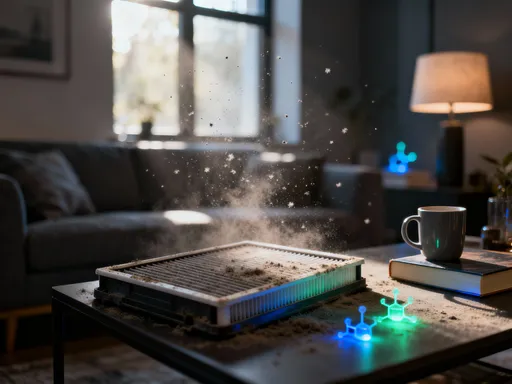
Indoor air is often two to five times more polluted than outdoor air, according to the U.S. Environmental Protection Agency. This is due to the concentration of pollutants in enclosed spaces: cooking fumes, pet dander, mold spores, and chemical off-gassing all contribute. HVAC systems, while designed to regulate temperature, can become reservoirs for allergens if filters are not changed regularly. Ductwork may harbor dust, mold, and even rodent droppings, which are then circulated throughout the home. Upgrading to high-efficiency particulate air (HEPA) filters can capture 99.97% of particles as small as 0.3 microns, including pollen, bacteria, and fine particulate matter.
Houseplants are often promoted as natural air purifiers, and while some, like spider plants and peace lilies, have shown ability to absorb certain toxins in controlled studies, their real-world impact is limited. NASA’s Clean Air Study, frequently cited in support of this idea, used sealed chambers with high pollutant levels and a large number of plants—far more than a typical home could accommodate. To achieve measurable air purification, one would need approximately 10 to 100 plants per square meter, which is impractical for most households. Therefore, while plants add aesthetic and psychological value, they should complement—not replace—mechanical filtration.
Humidity control is another critical but often overlooked aspect of air quality. Relative humidity levels between 30% and 50% are ideal. Too low, and dry air can irritate the respiratory tract; too high, and moisture encourages mold growth and dust mites. Using a hygrometer to monitor humidity and a dehumidifier or humidifier as needed helps maintain balance. In bedrooms, where people spend a third of their lives, optimizing air quality through a combination of HEPA filtration, humidity control, and source reduction—such as avoiding synthetic air fresheners—can significantly improve sleep quality and daytime alertness.
Light and Sound: The Silent Influencers of Well-Being
Light and sound are environmental factors that shape health in subtle but profound ways. Artificial lighting, especially cool-white LEDs and fluorescent bulbs, emits a high proportion of blue light. This wavelength is beneficial during the day, as it supports alertness and mood. However, exposure in the evening suppresses melatonin production, the hormone responsible for regulating sleep. Disrupted circadian rhythms are linked to insomnia, depression, and even metabolic disorders. Many households unknowingly create a lighting environment that confuses the body’s internal clock, particularly with the rise of smart home systems that keep homes brightly lit late into the night.
A more supportive approach involves layering lighting types throughout the home. Warm-toned bulbs (2700K–3000K) in living rooms and bedrooms mimic sunset light and promote relaxation. Dimmer switches allow for adjustable brightness, enabling a gradual transition from day to night. Smart lighting systems can be programmed to automatically shift color temperature—cooler in the morning, warmer in the evening—aligning with natural circadian patterns. Task lighting, such as under-cabinet lights in kitchens or desk lamps in home offices, reduces the need for overhead illumination, minimizing unnecessary exposure.
Sound, too, plays a critical role in mental and physical health. Chronic low-level noise from refrigerators, HVAC units, traffic, or electronic devices can elevate cortisol, the stress hormone, even when not consciously perceived. This constant auditory stimulation prevents the nervous system from fully resting, contributing to fatigue, irritability, and difficulty concentrating. Homes near busy roads or airports may require additional soundproofing measures, such as double-glazed windows or acoustic curtains. Even within quiet neighborhoods, internal noise sources—like a humming dishwasher or a TV left on in the background—can fragment attention and reduce cognitive performance.
Creating quiet zones in the home can offer much-needed relief. Designating a room or corner as a technology-free, low-noise area encourages mindfulness and restoration. Soft furnishings—rugs, curtains, upholstered furniture—absorb sound and reduce echo, improving acoustic comfort. White noise machines or nature sound apps can also help mask disruptive background noises, especially for light sleepers. By intentionally shaping the auditory environment, households can foster greater calm and mental clarity, supporting long-term emotional resilience.
The Green Gap: Why Houseplants and Essential Oils Aren’t Magic Bullets
The popularity of houseplants and essential oils has soared in recent years, often portrayed as simple, natural solutions to indoor pollution and stress. While both can enhance well-being, their benefits are frequently overstated. Houseplants do absorb carbon dioxide and release oxygen, and some have demonstrated the ability to remove trace amounts of formaldehyde or benzene in laboratory settings. However, the rate at which they do so is minimal compared to the air exchange capacity of mechanical systems. A single plant has a negligible impact on overall air quality. Achieving the purification levels seen in studies would require an impractical density of greenery—essentially turning a living room into a greenhouse.
Moreover, improper plant care can introduce new problems. Overwatering creates damp soil, a breeding ground for mold and fungus. Airborne mold spores can trigger allergic reactions and respiratory issues, particularly in individuals with asthma. Plants in poorly ventilated areas, such as bathrooms or basements, are especially prone to this issue. Choosing low-maintenance, drought-tolerant species and ensuring proper drainage can reduce these risks. Additionally, using activated charcoal in potting soil may help absorb excess moisture and inhibit microbial growth.
Essential oils, while aromatic and emotionally uplifting, are not air purifiers. Diffusing oils does not eliminate bacteria, viruses, or particulate matter. In fact, some essential oils—like eucalyptus, tea tree, or citrus—can react with ozone to form secondary pollutants such as formaldehyde and ultrafine particles. These byproducts can irritate the lungs and exacerbate respiratory conditions. Prolonged or undiluted use may also lead to skin sensitization or hormonal effects, particularly in vulnerable populations like children or pregnant women. The emotional benefits of scent are real, but they should not be confused with measurable improvements in air quality.
A more effective strategy combines nature-based elements with active technology. For example, placing a few well-chosen plants near a HEPA air purifier does not significantly boost filtration but can enhance psychological comfort. Using essential oils sparingly—such as in a personal inhaler or diluted in a carrier oil for topical use—avoids overexposure while preserving their mood-enhancing properties. The goal is integration, not substitution: leveraging the best of nature and science to create a balanced, health-supportive environment.
Behavioral Blind Spots: Habits That Undermine a Healthy Environment
Even with the best intentions, everyday behaviors can unintentionally compromise indoor health. One of the most common is wearing outdoor shoes inside. Shoes track in dirt, pesticides, heavy metals like lead, and even fecal bacteria from public spaces. A study by the University of Arizona found that the average shoe sole carries nearly 421,000 units of bacteria, including E. coli and Klebsiella pneumoniae. Removing shoes at the door is a simple yet powerful intervention. Establishing an entryway system—with a bench, shoe rack, and doormat—encourages this habit and reduces the spread of contaminants throughout the home.
Improper storage of household chemicals is another overlooked issue. Cleaning supplies, pesticides, and automotive fluids are often kept under sinks or in garages without adequate ventilation or containment. Fumes can seep into living areas, especially if containers are not tightly sealed. Storing these items in a locked, well-ventilated shed or designated cabinet, preferably away from food and children, minimizes risk. Switching to non-toxic alternatives—such as baking soda, hydrogen peroxide, or citric acid—further reduces exposure.
Overusing disinfectants is a related concern. While necessary in certain contexts—like during illness—daily use of antimicrobial products can disrupt the home microbiome. This microbial imbalance may favor the growth of resistant strains and reduce exposure to beneficial microbes that train the immune system. The Centers for Disease Control and Prevention (CDC) emphasizes that regular cleaning with soap and water is sufficient for most household surfaces. Disinfection should be reserved for high-touch areas during outbreaks, not as a routine practice.
Other subtle habits include leaving windows open during high pollen seasons without screens, using scented candles that release soot and VOCs, or neglecting to clean HVAC filters. Each behavior, on its own, may seem minor. But collectively, they shape the quality of the indoor environment. The solution lies in mindfulness—pausing to consider the long-term consequences of daily routines and making small, sustainable changes that align with health goals.
Building a Smarter, Healthier Environment: A Step-by-Step Approach
Creating a truly healthy home doesn’t require perfection or expensive renovations. It begins with a structured, thoughtful process: assess, prioritize, act, and monitor. The first step—assessment—involves observing the home with fresh eyes. Walk through each room and ask: What do I smell? What surfaces feel sticky or dusty? Are there visible signs of mold or moisture? Using an air quality monitor to measure VOCs, particulate matter, and humidity provides objective data. Similarly, checking product labels for hidden chemicals helps identify sources of contamination.
Prioritization is key. Not every issue needs immediate attention. Focus on high-impact zones: the bedroom, where rest and recovery occur, and the kitchen, where food preparation and potential chemical exposure intersect. In the bedroom, replacing a worn mattress with one free of flame retardants, using cotton or wool bedding, and adding a HEPA air purifier can dramatically improve sleep quality. In the kitchen, switching to glass or stainless-steel food storage, avoiding non-stick cookware with perfluorinated substances (PFAS), and using exhaust fans while cooking reduce toxin exposure.
Action should be gradual and sustainable. Attempting to overhaul the entire home at once often leads to burnout. Start with one room or one habit—like removing shoes at the door or replacing one cleaning product. Track progress with a simple journal or checklist. Over time, these small changes compound into a significantly healthier environment. Monitoring involves periodic reevaluation: changing filters, testing air and water quality, and staying informed about new research.
Personalization is essential. A home with pets, children, or someone with chemical sensitivities will have different needs than a single adult household. What works in a dry climate may not suit a humid coastal region. There is no one-size-fits-all solution. The goal is not to achieve a sterile, minimalist space, but to cultivate a living environment that supports vitality, clarity, and long-term well-being. By aligning choices with science and personal needs, households can transform their homes into true sanctuaries of health.
True health optimization isn’t about perfection—it’s about awareness and consistent, intelligent choices. By avoiding common pitfalls and understanding the real science behind our surroundings, we can create spaces that don’t just look clean but truly support vitality. Your environment should work for you, not against you. Start small, think critically, and let your home become a quiet force for better health.