Why My Body Finally Changed — A Real TCM Reset Journey
For years, I felt off — tired, bloated, never quite right — but no test could pinpoint why. I tried diets, workouts, even trendy supplements, but nothing brought lasting balance. Then I turned to Traditional Chinese Medicine (TCM) not for a quick fix, but for a real reset. What I discovered wasn’t magic, but a system — one that looks at the body as a connected whole. This is how I finally started feeling like myself again.
The Invisible Imbalance: When Something’s Off (But Doctors Say You’re Fine)
Many women in their thirties and beyond know this feeling well: waking up without energy, struggling through the day on caffeine, and collapsing by evening — all while blood work comes back “normal.” There’s a growing disconnect between clinical health markers and how people actually feel. Standard lab tests measure specific thresholds — cholesterol, blood sugar, thyroid hormones — but they often miss the subtler signals of imbalance. In Western medicine, if your numbers fall within range, you’re considered healthy. Yet fatigue, bloating, irregular cycles, and mood fluctuations persist, dismissed as stress or aging.
Traditional Chinese Medicine operates on a different principle: it sees the body not as a collection of isolated parts, but as an integrated network where symptoms are clues, not nuisances. TCM recognizes what many modern practitioners now call “subclinical” or “pre-disease” states — conditions that haven’t yet crossed into diagnosable illness but are clear warnings from the body. These early signs — poor sleep, sluggish digestion, afternoon brain fog — are not random. They reflect underlying patterns of disharmony, such as Qi deficiency, dampness accumulation, or Liver Qi stagnation. Rather than waiting for a disease label, TCM encourages early intervention through lifestyle, diet, and mindful awareness.
For the woman managing a household, a career, or both, these subtle imbalances can accumulate silently. The constant juggling of responsibilities, lack of rest, and emotional demands take a toll that isn’t always visible on a lab report. TCM honors this lived experience. It doesn’t require a diagnosis to validate suffering. Instead, it invites attention — a gentle turning inward to notice what the body is trying to say. This shift in perspective was the first step toward real change: understanding that feeling unwell, even without a medical label, is a signal worth heeding.
TCM’s Big Picture: The Body as an Ecosystem
In Western health models, we often treat symptoms like separate problems: insomnia is a sleep issue, bloating is digestive, and irritability is emotional. But in Traditional Chinese Medicine, these are seen as expressions of a single underlying pattern. The body is viewed as a dynamic ecosystem, where energy, function, and emotion are deeply intertwined. At the heart of this system is Qi — pronounced “chee” — the vital force that animates all physiological processes. Think of Qi as your body’s internal battery. When it flows smoothly and is well-nourished, you feel energized, clear-minded, and resilient. When it’s blocked, depleted, or imbalanced, symptoms arise.
Qi moves through channels called meridians, connecting organs and functions in ways that go beyond anatomical structure. Each organ in TCM has both a physical role and an energetic one. For example, the Spleen is responsible not just for digestion but for transforming food into usable energy. The Liver governs the smooth flow of Qi and is closely tied to emotional regulation, especially around frustration and anger. These connections explain why digestive issues might accompany mood swings, or why chronic stress can lead to menstrual irregularities.
Another key concept is the balance between Yin and Yang — opposing yet complementary forces. Yin represents rest, nourishment, and coolness; Yang stands for activity, warmth, and movement. Health depends on their harmony. A woman who’s constantly active, multitasking, and under pressure may be living in a Yang-dominant state, depleting her Yin reserves. This can manifest as insomnia, dry skin, or hot flashes — signs the body is overheated and under-rested. TCM doesn’t see these as isolated issues but as reflections of a larger energetic imbalance.
Terms like “dampness,” “cold,” or “heat” are not metaphors but diagnostic categories. Dampness, for instance, describes a sluggish, congested state often linked to poor digestion, weight retention, and brain fog. It’s not about literal moisture but about how the body processes fluids and nutrients. Cold refers to a lack of metabolic warmth, leading to cold hands, fatigue, and slow digestion. These patterns are identified through observation — tongue coating, pulse quality, and symptom patterns — and guide personalized treatment. Understanding these principles transforms how we see our bodies: not as machines to be fixed, but as living systems to be nurtured.
My Wake-Up Call: From Burnout to Body Listening
The turning point came after months of relentless work, poor sleep, and worsening digestive discomfort. I was in my early forties, managing a growing family and a demanding job, and I had normalized constant fatigue. I relied on coffee to start the day and wine to unwind at night. My digestion was unpredictable — bloating after meals, occasional heartburn, and a persistent feeling of heaviness. I visited my doctor, who ran tests. Everything came back within normal limits. “You’re just stressed,” I was told. “Try to relax more.” But relaxation felt impossible when every part of my body was signaling distress.
It was a friend who suggested I see a licensed TCM practitioner. Skeptical but desperate, I made an appointment. The consultation was unlike any medical visit I’d experienced. Instead of focusing on one symptom, the practitioner asked about my sleep, digestion, energy patterns, emotions, and even my temperature preferences. She examined my tongue — noting its pale color and thick white coating — and took my pulse at three positions on each wrist, assessing not just rate but quality, depth, and rhythm. These observations pointed to a pattern of Spleen Qi deficiency with dampness and Liver Qi stagnation — a common combination in overworked, emotionally taxed women.
The diagnosis wasn’t a disease but a map of imbalance. My digestive weakness was tied to poor dietary habits and chronic stress. The Liver Qi stagnation reflected emotional tension and irregular routines. Rather than prescribing a single remedy, the practitioner recommended a holistic plan: dietary changes, herbal support, acupuncture, and lifestyle adjustments. Crucially, she emphasized that healing wouldn’t be fast or linear. It would require consistency, patience, and a shift in mindset — from fighting symptoms to supporting the body’s natural rhythms.
This experience taught me that health is not one-size-fits-all. Two people with the same symptoms might have entirely different underlying patterns and therefore different recommendations. TCM doesn’t offer quick fixes; it offers understanding. By identifying my unique constitution and imbalances, I could finally make choices that truly supported my body, not just followed generic wellness trends.
The Daily Shifts: Small Habits, Big Feedback
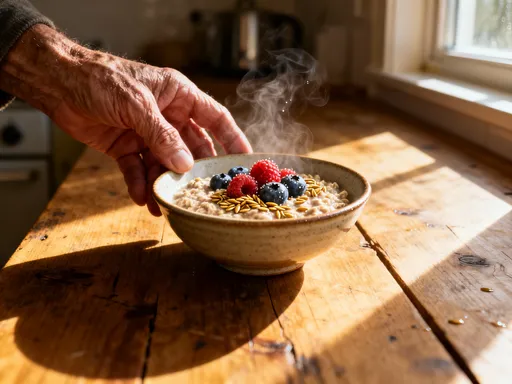
Real transformation didn’t come from drastic diets or extreme routines. It came from small, sustainable changes woven into daily life. One of the first adjustments was meal timing. In TCM, the Spleen is most active between 9 a.m. and 11 a.m., making this the ideal window for the largest meal of the day. I shifted from skipping breakfast to eating a warm, cooked meal — often oatmeal with cinnamon or congee with vegetables — within two hours of waking. This simple change supported my digestive fire, known as the “Spleen Qi,” and reduced morning fatigue.
I also stopped eating late at night. In TCM, the body’s energy shifts toward rest and repair after 7 p.m. Eating a heavy meal then forces the digestive system to work when it should be winding down, leading to dampness and poor sleep. I set a rule: no food after 7:30 p.m. At first, it was hard, especially after long days. But within weeks, my digestion improved, and I slept more soundly. Bloating decreased, and my energy in the morning became more consistent.
Another small but powerful habit was starting the day with warm water and fresh ginger. Ginger is considered a warming herb in TCM, helping to dispel cold and stimulate digestion. I sliced a small piece into hot water every morning. This simple ritual activated my digestive system and reduced the sluggish feeling I used to have after meals. I also began avoiding icy drinks, which are seen as harmful to the Spleen’s ability to transform food. Switching to room-temperature or warm beverages made a noticeable difference in how I felt after eating.
Sleep hygiene was another focus. TCM teaches that the body follows natural cycles, with optimal rest occurring when we align with the rhythms of light and dark. I committed to being in bed by 10:30 p.m., allowing for deep liver cleansing between 1 a.m. and 3 a.m. I turned off screens an hour before bed and created a calming routine — light stretching, herbal tea, and reading. Over time, my sleep became deeper, and I woke feeling more refreshed. These changes weren’t dramatic, but their cumulative effect was profound. I began to notice clearer skin, steadier moods, and a growing sense of physical ease.
Movement That Nourishes: Not All Exercise Is Equal
For years, I believed more exercise was always better. I pushed through intense workouts, proud of burning calories and building strength. But over time, I noticed a pattern: the harder I exercised, the more exhausted I felt. My energy would crash by mid-afternoon, and my recovery time slowed. In TCM, this makes perfect sense. Excessive or overly strenuous exercise can deplete Qi and damage Yin — the cooling, nourishing aspect of the body. For someone already fatigued or stressed, intense workouts can do more harm than good.
TCM views movement not as a way to burn energy but to cultivate it. The goal is not exhaustion but circulation — keeping Qi and blood flowing smoothly without overtaxing the system. This led me to explore gentler practices like Tai Chi and Qi Gong. These slow, mindful movements emphasize breath, alignment, and internal awareness. At first, I was skeptical. Could moving so slowly really make a difference? But within weeks, I noticed changes. My posture improved, my breathing deepened, and I felt a new sense of calm and stamina.
Tai Chi, often called “meditation in motion,” helped release tension in my shoulders and lower back — areas where I held stress. Qi Gong exercises, such as “Lifting the Sky” or “Separating Heaven and Earth,” focused on opening energy channels and grounding the body. These practices didn’t make me sweat, but they left me feeling invigorated and centered. I also incorporated short walks after meals, which TCM supports as a way to aid digestion and prevent dampness.
I didn’t abandon all vigorous activity — occasional strength training or a brisk walk still had a place — but I learned to listen to my body. On low-energy days, I chose rest or gentle movement instead of pushing through. This shift wasn’t about being less active; it was about being more intelligent with my energy. Over time, my stamina improved not because I worked harder, but because I respected my body’s need for balance. Movement became a form of self-care, not punishment.
Food as Adjustment: Beyond Calories and Macros
One of the most eye-opening aspects of my TCM journey was rethinking food. I had spent years focused on calories, protein, and sugar content. But TCM introduced me to a different framework: food as medicine with energetic properties. Each food has a thermal nature — warming, cooling, or neutral — and an effect on the body’s internal environment. For someone with cold hands, slow digestion, and fatigue, cooling foods like raw salads, smoothies, and iced drinks can worsen the condition by weakening the Spleen’s digestive fire.
I had been a devoted smoothie drinker, believing I was eating healthy. But in TCM, cold, raw foods are hard to digest and can contribute to dampness — that heavy, sluggish feeling I’d struggled with for years. I began transitioning to warm, cooked meals. Breakfast became porridge or scrambled eggs with vegetables. Lunch and dinner centered on soups, stews, and steamed dishes. I added warming spices like ginger, cinnamon, and turmeric to my cooking. The change wasn’t about restriction; it was about alignment. I noticed my digestion improved almost immediately — less bloating, more regular bowel movements, and sustained energy.
Seasonal eating also became important. In winter, I focused on root vegetables, bone broths, and hearty grains to support warmth and storage. In summer, I incorporated more cooling foods like cucumbers and melons, but still avoided excessive raw or iced items. I also paid attention to food combinations. TCM advises against mixing too many different foods in one meal, as this can overwhelm the digestive system. I simplified my plates, focusing on one or two main ingredients with supportive sides.
This new approach transformed my relationship with food. It wasn’t about counting macros or chasing trends. It was about listening — noticing how my body responded to different foods and adjusting accordingly. I learned that nourishment isn’t just about nutrients; it’s about how food makes you feel. When I ate warm, cooked meals, I felt grounded and clear. When I slipped back into cold foods, the heaviness returned. This awareness empowered me to make choices that truly supported my well-being.
The Mind-Body Loop: How Emotions Shape Physical Health
One of the most profound lessons from TCM was understanding the deep connection between emotions and physical health. I used to think of stress as purely mental — something to manage with better time management or meditation. But TCM taught me that emotions directly impact organ function and energy flow. For example, chronic frustration or anger can impair Liver Qi, leading to headaches, muscle tension, and menstrual irregularities. Worry and overthinking affect the Spleen, contributing to digestive issues and fatigue. Grief can weaken the Lungs, while fear impacts the Kidneys.
I began to see my symptoms in a new light. My tight shoulders weren’t just from sitting at a desk — they were a physical manifestation of unresolved stress. My irregular periods weren’t just hormonal fluctuations — they reflected emotional stagnation. This didn’t mean my symptoms were “all in my head.” On the contrary, it meant they were real expressions of how my emotional life was affecting my body. TCM doesn’t separate mind and body; it sees them as one interconnected system.
To support emotional balance, I incorporated simple daily practices. Deep diaphragmatic breathing, done for just five minutes each morning, helped calm my nervous system and move stagnant Qi. I also began journaling — not to analyze my feelings, but to release them. Writing down frustrations, worries, or unspoken thoughts created space for emotional flow. I noticed that after journaling, my body felt lighter, and my mind clearer.
Acupuncture also played a role in releasing emotional blockages. Certain points, like Liver 3 between the big toe and second toe, are known for smoothing Qi and reducing irritability. Over time, these sessions, combined with mindfulness, helped me respond to stress more calmly. I didn’t eliminate stress — life still had demands — but I stopped letting it accumulate in my body. The mind-body loop became a tool for healing: when I cared for my emotions, my body responded with greater resilience.
Living in Tune, Not in Fix Mode
Looking back, the most significant change wasn’t a single symptom disappearing — it was a shift in mindset. I stopped chasing quick fixes and started living in rhythm with my body’s needs. TCM didn’t “cure” me; it taught me to listen. It gave me a language to understand my experiences and a framework to make sustainable choices. Health became less about control and more about harmony.
This journey wasn’t linear. There were days I reverted to old habits — late meals, cold drinks, over-scheduling. But now, I could recognize the signs: bloating, fatigue, irritability — my body’s feedback system. Instead of ignoring them, I adjusted. I learned that balance isn’t a permanent state but a continuous practice. It requires attention, kindness, and patience.
For women navigating the complexities of modern life, TCM offers a compassionate alternative to the all-or-nothing approach of so many wellness trends. It doesn’t demand perfection. It invites awareness. It honors the wisdom of the body and the value of small, consistent actions. Whether it’s choosing a warm meal over a cold smoothie, taking a gentle walk instead of a punishing workout, or pausing to breathe when stress arises — these choices add up.
True health, I’ve learned, isn’t about achieving a flawless state. It’s about living in tune — with your body, your emotions, and your natural rhythms. It’s about making peace with the ebb and flow of energy, seasons, and life stages. TCM didn’t give me a new body. It helped me come home to the one I already had.