Tested 11 Fitness Reminder Apps for 4 Months: One Finally Made Daily Workouts Stick
How many times have you promised yourself, “I’ll start exercising tomorrow,” only to forget by lunchtime? I’ve been there—overloaded schedules, fading motivation, and apps that felt more like nagging than help. But after months of trial and error, I found one health reminder app that actually fits into real life. It didn’t just ping me—it understood me. This is the story of how better information organization turned my inconsistent efforts into a lasting habit, without the guilt or grind.
The Broken Cycle of Starting (and Quitting) Exercise
Let’s be honest—most of us don’t fail because we’re lazy. We fail because life gets loud. Remember that burst of energy you felt on a quiet Sunday night? The one where you envisioned morning stretches, lunchtime walks, and feeling stronger by summer? I’ve had that moment too—more than once. But by Tuesday, the kids needed rides, the work deadline moved up, and that yoga mat stayed rolled up in the corner. The dream didn’t die from lack of willpower. It drowned in the noise of daily life.
I used to think the solution was more reminders. So I tried everything: sticky notes on the fridge, calendar alerts labeled “MOVE!”, even recording my own voice saying, “Don’t forget to do your 10 minutes!” But the truth is, too many alerts become background noise. They don’t guide—they guilt-trip. And guilt doesn’t build habits. It builds resistance. I’d see the reminder, feel a pang of failure, and swipe it away. The real problem wasn’t my discipline. It was how the information was delivered—out of sync, out of context, and out of touch with my actual day.
What I needed wasn’t another alarm. I needed a system that could adapt—something that didn’t just say “work out now” but asked, “Is now even possible?” Most fitness tools assume you’re starting fresh, with time and energy to spare. But real life isn’t like that. For women in our 30s, 40s, and 50s, fitness has to fit around packed calendars, family needs, and emotional bandwidth. The missing link wasn’t motivation. It was organization—smart, intuitive, and kind organization that works with your rhythm, not against it.
Why Most Fitness Apps Fail Real Lives
Have you ever noticed how many fitness apps feel like they were designed for someone else? Like they assume you wake up at 5 a.m. with boundless energy, have a home gym, and can meal prep for seven days straight? I downloaded nearly a dozen of them—some with sleek designs, others with gamified rewards, all promising to “transform” my routine. But within days, I was frustrated. One sent me a push notification at 7:00 a.m. to do a 30-minute HIIT session—on a morning I had a conference call in 15 minutes. Another reminded me to stretch at 8:30 p.m.—right when I was helping my son with homework and boiling pasta.
The issue wasn’t the features. It was the lack of context. These apps tracked steps, heart rate, and calories burned, but they didn’t know I’d already walked three miles chasing my toddler or that I’d skipped lunch because of a last-minute meeting. They treated fitness like a standalone task, not something woven into the fabric of daily life. And because they didn’t adapt, I started ignoring them. The more they pushed, the more I tuned out. It felt like being micromanaged by a robot that didn’t care about my reality.
Here’s what I realized: most fitness apps are built for data collection, not for human behavior. They collect information but don’t organize it in a way that reduces mental load. They assume you’ll make decisions when you’re already overwhelmed. And that’s where they fail. Real change doesn’t come from more data—it comes from better information flow. What if, instead of another alert, your phone asked, “How are you feeling right now?” and adjusted your plan accordingly? That’s not science fiction. That’s what finally made the difference for me.
The Game-Changer: An App That Organizes, Not Just Reminds
After months of frustration, I stumbled on an app that didn’t feel like a drill sergeant. It didn’t start with workout plans or calorie counters. It started with three simple questions: “How’s your energy today?” “What’s your schedule like?” and “What kind of movement feels doable?” I answered honestly—low energy, back-to-back meetings, maybe five minutes max. Instead of pushing a full workout, it suggested a two-minute breathing exercise and a five-minute walk after lunch. No pressure. No judgment. Just a gentle nudge that fit.
That was the first time I didn’t feel like I was failing before I even started. The app wasn’t trying to fix me. It was working with me. Over time, it learned my patterns. It noticed I had more energy on Thursdays after school drop-off. It saw that I often skipped evening workouts when I had dinner guests. So it started shifting suggestions—moving stretches to mid-morning, offering seated yoga during my afternoon coffee break. It didn’t just remind me to move. It organized movement around my life.
The key wasn’t tracking. It was contextual intelligence. The app grouped reminders into themes: “Morning Reset,” “Midday Refresh,” “Evening Unwind.” Each cluster bundled small, realistic actions—drink water, stand and stretch, take five deep breaths. Instead of facing a list of 10 things to do, I got one simple prompt: “Your Midday Refresh is ready.” Clicking it felt like opening a care package for myself. The app didn’t make me more disciplined. It made discipline easier by removing the friction of decision-making.
How Smart Grouping Turns Chaos into Routine
One of the most powerful shifts happened when I stopped thinking about exercise as a separate event and started seeing it as part of my day’s rhythm. The app helped me do that by creating what it called “lifestyle clusters”—bundles of micro-actions tied to natural transitions in my day. For example, “Post-Work Wind Down” included a five-minute shoulder stretch, a hydration reminder, and a breathing exercise. It wasn’t labeled as “exercise.” It was labeled as “unwind.” And because it felt like self-care, not a chore, I actually did it.
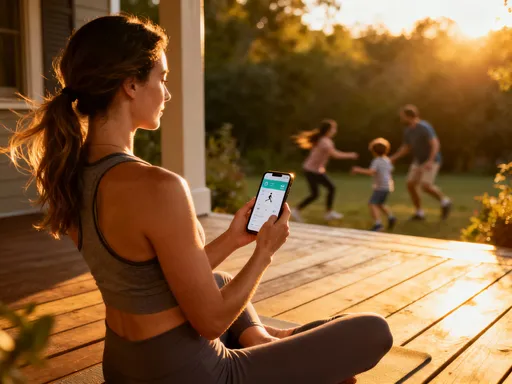
Another cluster, “Family Movement Time,” suggested activities when my kids were home—like a 10-minute dance break or a backyard walk after homework. These weren’t intense workouts. They were moments of connection that also happened to get us moving. The app didn’t measure calories burned. It celebrated participation: “You moved together as a family today—great job!” That small shift in language made a huge difference. It wasn’t about performance. It was about presence.
Over time, these clusters became automatic. I didn’t have to decide when or how to move. The app had already organized it in a way that felt natural. I began associating certain times of day with certain types of movement—like how brushing my teeth is just something I do without thinking. That’s the magic of smart grouping: it reduces decision fatigue. When your brain doesn’t have to choose, you’re more likely to act. And consistency, not intensity, is what builds real, lasting change.
Syncing Fitness with Family and Daily Flow
One feature I didn’t expect to love was the ability to include my family—not for competition, but for connection. I added my daughter and husband to a shared wellness space. No leaderboards. No step-count shaming. Just gentle prompts like, “Your daughter just got home—walk to the mailbox together?” or “Your husband’s on a break—try a 2-minute stretch side by side?” It turned movement into a shared language, not a solo mission.
The app also synced with my calendar. If I had a meeting scheduled, it would quietly pause workout reminders. If I had a gap between appointments, it would suggest a quick walk or seated stretch. It didn’t treat my time as empty space to be filled. It respected my existing commitments. And because it worked with my real schedule, I stopped feeling like fitness was stealing time from my family or work. Instead, it became part of how I showed up for them—with more energy, less stress, and a calmer mind.
I’ll never forget the day my daughter said, “Mom, it’s 3 p.m.—isn’t that your breathing break?” She was right. That five-minute pause had become so routine, even she noticed when I skipped it. And in that moment, I realized something profound: the app wasn’t just changing my habits. It was modeling self-care for my family. By making small, consistent movements visible and normal, I was teaching them that taking care of yourself isn’t selfish—it’s sustainable.
From Data Dump to Peace of Mind
Earlier apps overwhelmed me with data. I’d open them to see red bars, missed goals, and messages like “You’re behind this week.” It felt like being graded by a strict teacher. I’d close the app feeling worse than before. This new one was different. It didn’t show me deficits. It highlighted progress. At the end of each week, it said things like, “You had 15 active moments this week—great job!” or “You’ve stretched on 5 different days—consistency is building!”
The interface was clean, calm, and easy to read. No flashing badges, no aggressive notifications. It felt like a supportive friend, not a critic. And because it filtered out the noise, I could actually see what mattered. I wasn’t drowning in numbers. I was seeing patterns—like how my energy improved on days I moved in the morning, or how my sleep got better when I did evening stretches. The app didn’t just track data. It turned data into insight.
But more than that, it gave me peace of mind. I no longer had to remember everything. I didn’t wake up wondering, “Should I do cardio or strength today?” The app had already organized it based on my energy, schedule, and preferences. I could trust the system. And that trust freed up mental space—space I used to spend worrying about fitness, I now use to enjoy it. The best part? I stopped measuring success by how hard I pushed. I started measuring it by how good I felt.
Building a Habit That Feels Natural, Not Forced
Four months in, I don’t even think about the app much anymore. The routines it helped me build have become part of my daily rhythm. I stretch while the coffee brews. I take a walk after dinner. I do seated breathing during my afternoon slump. These aren’t “workouts” in the traditional sense. They’re moments of care woven into my day. And because they feel natural, I don’t resist them.
The app didn’t make me more disciplined. It made consistency possible by meeting me where I was. It didn’t demand perfection. It celebrated small wins. It didn’t isolate fitness from the rest of my life. It connected it—tying movement to parenting, work, and rest. And in doing so, it helped me see that self-care isn’t a luxury. It’s a foundation.
If you’ve ever felt like you’re failing at fitness, I want you to know something: it’s not you. It’s the system. Most tools aren’t designed for real life. But when you find one that listens, adapts, and organizes with kindness, everything changes. The right technology doesn’t shout. It whispers at the right moment. It doesn’t force. It flows. And sometimes, that’s all it takes to turn “I’ll start tomorrow” into “I’m already doing it.”