What I Learned About Eating Right During Acupuncture and Massage Therapy
Living with chronic tension and low energy, I never thought my diet could impact how well acupuncture and massage worked—until I started paying attention. What I discovered surprised me: small food choices made a real difference in how my body responded. This isn’t about strict rules or giving up everything delicious. It’s about smart, simple shifts that support healing. If you're exploring natural recovery methods, what you eat might be the missing piece. Many women in their 30s to 50s are juggling family, work, and personal well-being, often putting their own health last. Yet, what we eat plays a quiet but powerful role in how our bodies respond to therapies meant to restore balance. This is not a story of perfection, but of awareness—and how even gentle changes at the dinner table can deepen the benefits of healing sessions.
The Hidden Link Between Diet and Recovery Treatments
When most people begin acupuncture or massage therapy, they focus on the treatment itself—the needles, the pressure, the quiet room. Few consider what happens at the kitchen table. Yet, the body’s ability to respond to these therapies depends heavily on its internal environment. Think of acupuncture as a signal: it tells the body to rebalance, reduce pain, and improve circulation. But if the body is overwhelmed by poor nutrition, that signal may not be heard clearly. Similarly, massage works to release muscle tension and improve lymphatic flow, but if the tissues are dehydrated or inflamed, progress can be slow. Nutrition sets the stage for how effectively these therapies can work.
Scientifically, this makes sense. The human body is not a machine with isolated parts; it’s an interconnected system where one change affects many others. For example, blood circulation—which acupuncture aims to enhance—is influenced by the health of blood vessels and the thickness of the blood itself. Diets high in processed foods can lead to sluggish circulation, while nutrient-rich meals support clean, efficient blood flow. Likewise, muscle recovery relies on protein synthesis and cellular repair, processes that require vitamins, minerals, and amino acids from food. Without these building blocks, even the most skilled therapist may find their efforts limited.
For women managing daily stress, hormonal shifts, or the physical demands of caregiving, this connection is especially important. The body is already working hard. Adding supportive nutrition doesn’t have to mean overhauling every meal. It means recognizing that food is not just about hunger or pleasure—it’s part of a larger commitment to feeling better. When you eat in a way that reduces internal stress, your body becomes more receptive to healing. Acupuncture and massage are not magic; they are tools. And like any tool, they work best when the conditions are right.
Why Inflammation Is the Real Enemy
Inflammation is a natural response—your body’s way of protecting itself from injury or infection. But when it becomes chronic, it turns from protector into a silent disruptor. Chronic low-grade inflammation is linked to fatigue, joint stiffness, muscle pain, and poor recovery. It keeps the nervous system on high alert, making it harder to relax—even during a massage session. For those receiving regular therapy, this underlying state can dull the benefits, leaving you feeling like you’re not making progress, even when you’re doing everything “right.” The surprising truth? A significant source of this inflammation comes from the food we eat.
Processed sugars, refined carbohydrates, and certain industrial oils are among the top dietary triggers. These ingredients are common in everyday foods—store-bought sauces, packaged snacks, fast food, and even some breakfast cereals. When consumed regularly, they activate inflammatory pathways in the body. For example, excess sugar leads to the production of advanced glycation end products (AGEs), which damage tissues and promote stiffness. Omega-6 fatty acids, found in many vegetable oils, are essential in small amounts but problematic when consumed in excess, as they can tip the body’s balance toward inflammation.
Alcohol is another often-overlooked contributor. While an occasional drink may not cause harm, regular consumption can burden the liver and increase systemic inflammation. For women in midlife, this can worsen symptoms like bloating, fatigue, and muscle tightness—issues that acupuncture and massage aim to relieve. The good news is that you don’t have to eliminate these foods completely to see a difference. Awareness is the first step. Simply noticing how often these ingredients appear in your meals can lead to small, meaningful changes. Reducing processed foods doesn’t mean eating less; it means choosing foods that support your body’s healing goals.
Foods That Boost Treatment Results
Just as some foods fuel inflammation, others actively support recovery. These are the foods that work quietly behind the scenes to enhance circulation, calm the nervous system, and repair tissues. They are not exotic or expensive—many are already in your pantry or local grocery store. The key is consistency, not perfection. Incorporating these foods regularly can create a foundation that makes acupuncture and massage more effective.
Leafy green vegetables like spinach, kale, and Swiss chard are rich in magnesium, a mineral that plays a crucial role in muscle relaxation and nerve function. Many adults, especially women, are mildly deficient in magnesium, which can contribute to tension and poor sleep. Fatty fish such as salmon, mackerel, and sardines are excellent sources of omega-3 fatty acids, which have been shown to reduce muscle soreness and joint discomfort. These healthy fats also support brain health and mood stability—important for those managing stress alongside physical symptoms.
Spices like turmeric contain curcumin, a compound with natural anti-inflammatory properties. Studies suggest that curcumin can help reduce pain and stiffness, making it a valuable addition to meals. Pairing turmeric with black pepper increases its absorption, so a simple sprinkle can go a long way. Nuts and seeds—especially walnuts, flaxseeds, and chia seeds—offer both healthy fats and fiber, supporting both gut health and inflammation control. Even dark chocolate, in moderation, contains antioxidants that may help protect blood vessels and improve circulation.
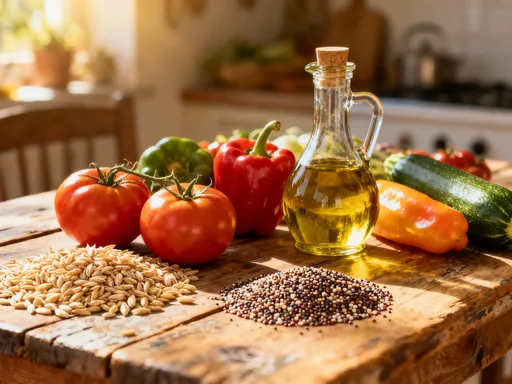
The goal is not to create a restrictive diet but to build a plate that supports healing. A simple lunch of grilled salmon, steamed broccoli, and quinoa delivers protein, antioxidants, and complex carbohydrates—all working together to prepare the body for therapy. A morning smoothie with spinach, banana, almond butter, and chia seeds offers sustained energy without the crash of sugary cereals. These choices don’t require extra time or effort; they simply shift the focus from convenience to nourishment.
Hydration: The Overlooked Recovery Tool
Water is the most essential nutrient, yet it is often the most neglected. Every cell in the body depends on water to function, especially muscle and connective tissue. Dehydration can make muscles feel tighter, reduce flexibility, and increase the sensation of pain. During massage, dry tissues are more resistant to manipulation, which can make the session less effective and even uncomfortable. Similarly, acupuncture relies on the free flow of energy and blood, both of which depend on proper hydration.
Many people don’t realize they are mildly dehydrated. Thirst is a late sign—by the time you feel it, your body is already behind. Symptoms like fatigue, headaches, and poor concentration can all be linked to low fluid intake. For women who are active, managing hormonal changes, or spending long hours on their feet, staying hydrated is even more critical. The general recommendation is about eight 8-ounce glasses a day, but individual needs vary based on activity, climate, and body size.
Increasing water intake doesn’t have to be a chore. Start the day with a glass of water—this helps rehydrate after sleep and kickstarts metabolism. Carry a reusable water bottle and refill it throughout the day. If plain water feels boring, add slices of lemon, cucumber, or berries for flavor. Herbal teas like chamomile, peppermint, or ginger are also excellent choices—they are hydrating and can support digestion and relaxation. The key is consistency. Small sips throughout the day are more effective than drinking large amounts all at once. Over time, better hydration can lead to softer muscles, clearer thinking, and a greater sense of well-being—all of which enhance the benefits of therapy.
Timing Matters: When You Eat, Not Just What
Diet isn’t just about food choices—it’s also about timing. What you eat and when you eat it can influence how you feel during a therapy session. Eating a large, heavy meal right before acupuncture or massage can make you feel sluggish, bloated, or even nauseous. The body is focused on digestion, which can interfere with the relaxation response these therapies aim to create. On the other hand, going in completely empty may lead to lightheadedness, especially if blood sugar drops during the session.
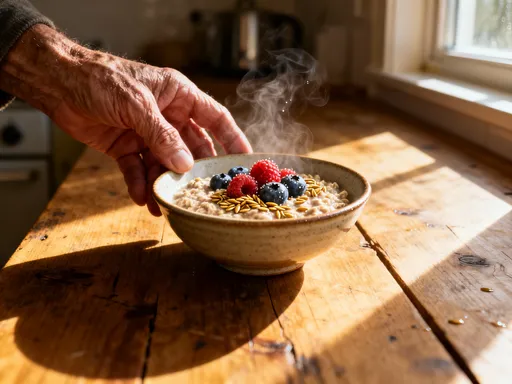
The ideal approach is to eat a light, balanced meal about one to two hours before your appointment. This gives your body time to begin digestion without being overwhelmed. A good pre-therapy meal includes a mix of protein, healthy fats, and complex carbohydrates. For example, a small bowl of oatmeal with nuts and fruit, a piece of grilled chicken with roasted vegetables, or a smoothie with protein powder and spinach. These options provide steady energy without weighing you down.
But meal timing isn’t just about therapy sessions—it’s about daily rhythm. Skipping meals or relying on sugary snacks can lead to blood sugar spikes and crashes, which affect mood, energy, and stress levels. When blood sugar is unstable, the nervous system becomes more reactive, making it harder to relax. Eating regular, balanced meals throughout the day helps maintain equilibrium. This doesn’t mean eating six times a day; it means listening to your body’s hunger cues and choosing foods that keep energy steady. For busy women, this might mean packing a small snack—like an apple with almond butter or a handful of trail mix—to avoid getting too hungry between meals.
Personal Adjustments Based on Body Response
No two bodies are the same, and no single diet works for everyone. What helps one person feel energized and relaxed may not have the same effect on another. This is why personal observation is so valuable. Paying attention to how your body responds to food can guide smarter choices without the need for rigid rules. You don’t have to follow a strict plan—just stay curious and open to feedback from your own experience.
A simple way to begin is by keeping a short food and symptom log. Note what you eat, when you eat it, and how you feel in the hours that follow. Are you more alert after a certain meal? Do your muscles feel looser on days when you drink more water? Do you sleep better when you avoid late-night snacks? These small insights add up. Over time, patterns will emerge that help you understand what supports your well-being and what doesn’t.
Some women find that eliminating dairy or gluten for a short period reduces bloating and fatigue. Others notice improvements simply by cutting back on processed snacks. The goal is not elimination for its own sake, but awareness. If you decide to try a temporary change, do it one at a time so you can track the effect. And remember, this is not about blame or guilt. Some days will be better than others—and that’s okay. The point is progress, not perfection. By tuning in to your body’s signals, you become an active participant in your healing journey.
Working With Professionals, Not Against Them
Nutrition is a powerful tool, but it is not a replacement for professional care. Acupuncture, massage therapy, and medical treatment are all important parts of a holistic approach to health. Food can support these therapies, but it should never be used to delay or avoid necessary medical advice. If you have a chronic condition—such as arthritis, fibromyalgia, or high blood pressure—it’s essential to work with your healthcare provider to create a plan that fits your needs.
Registered dietitians, integrative medicine doctors, and licensed therapists can offer personalized guidance. They can help you interpret symptoms, recommend safe dietary changes, and ensure that your approach is balanced and evidence-based. Some supplements may interact with medications or affect certain conditions, so professional input is crucial. The goal is to create synergy—where food, therapy, and medical care work together, not in conflict.
Wellness is not about quick fixes or extreme measures. It’s about making thoughtful, sustainable choices that honor your body and your life. For women who are nurturing families, managing careers, and caring for aging parents, this can feel like a tall order. But small steps matter. Choosing a piece of fruit instead of a cookie, drinking an extra glass of water, or eating a balanced meal before a therapy session—these are acts of self-respect. They send a message that your health matters.
What you’ve learned about eating right during acupuncture and massage therapy is not just about food. It’s about creating conditions where healing can thrive. It’s about understanding that your body responds to care on many levels—physical, emotional, and daily. By aligning your diet with your wellness goals, you deepen the impact of every treatment. You become more than a patient—you become a partner in your own recovery. And that shift, more than any single meal or session, is what leads to lasting change.