How I Turned My Weekend Trips Into Smart Investments Without Even Trying
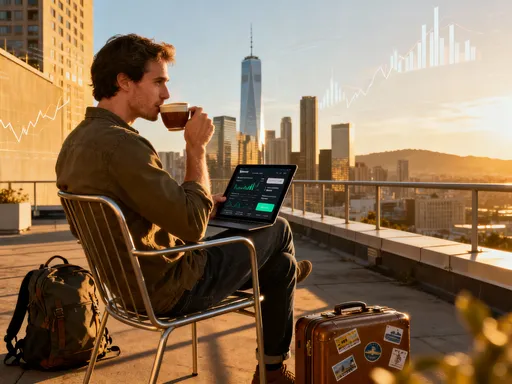
What if your next vacation could do more than just recharge you — what if it actually helped grow your wealth? I never thought my love for travel and experiences could tie into my investment strategy. But after a few missteps and some surprising wins, I discovered how experience consumption isn’t just spending — it can be a clever entry point into smarter investing. This is how I started building value through the things I already enjoy — and how you can too, without taking reckless risks or needing a finance degree.
The Moment I Realized Spending Could Be Strategic
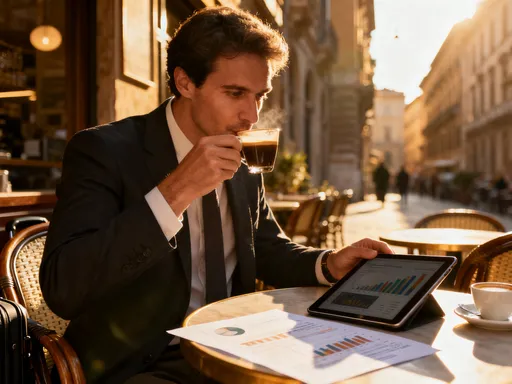
For years, I viewed leisure spending as something separate from my financial goals. A weekend getaway was simply a break from routine — a necessary luxury, but one that drained my account without offering anything in return. I cherished the memories, of course, but never considered that these experiences might carry financial insight. That changed during a trip to a mid-sized city known for its arts scene and growing food culture. As I wandered through farmers’ markets, attended live music events, and booked a locally led walking tour, I noticed something subtle yet significant: businesses were thriving, foot traffic was consistent, and new ventures opened regularly. This wasn’t just a charming town — it was an economy on the rise, driven largely by consumer demand for unique, personal experiences.
What struck me most was how these small-scale activities reflected larger economic movements. The packed yoga studio wasn’t just a place to stretch — it was evidence of growing interest in wellness. The popular craft brewery wasn’t merely serving drinks; it was part of a broader shift toward local, authentic consumption. These weren’t isolated cases. Across several trips, I began to see patterns. Destinations with strong repeat visitation, vibrant cultural offerings, and community-driven events often saw rising property values, increased business investment, and expanding job markets. That’s when it hit me: my spending habits were not just personal choices — they were unintentional data collection.
This realization didn’t turn me into a day trader or a real estate investor overnight. Instead, it reshaped how I observed the world. I stopped seeing travel as pure expense and started viewing it as a form of real-world market research. Every trip became an opportunity to witness economic behavior in action — to see what people were willing to pay for, where they chose to spend their time, and which services consistently attracted demand. This shift didn’t require complex tools or financial expertise. It simply required attention. And over time, that attention began to pay dividends — not just in richer travel experiences, but in smarter financial decisions.
Experience Consumption as a Window to Emerging Markets
The global economy is undergoing a quiet but powerful transformation. Consumers, especially younger generations, are increasingly prioritizing experiences over possessions. A recent report from industry analysts confirms that spending on travel, dining, entertainment, and personal development has outpaced spending on traditional retail for over a decade. This isn’t a temporary trend — it’s a structural shift in how people define value. A well-traveled life, a healthy body, a creative skill — these are now seen as forms of capital in their own right. And where consumer values go, markets eventually follow.
What makes this shift particularly valuable for thoughtful investors is its predictability. Unlike sudden technological breakthroughs or policy changes, cultural movements unfold gradually, offering time to observe and respond. When people consistently spend on wellness retreats, adventure travel, or culinary classes, they’re signaling long-term demand. This demand creates opportunities across multiple sectors — from hospitality and transportation to fitness technology and sustainable agriculture. The key is recognizing these signals early, before they become widely reflected in stock prices or economic reports.
Consider the rise of eco-tourism. A decade ago, sustainable travel was a niche interest. Today, major hotel chains, airlines, and tour operators are investing heavily in carbon reduction, conservation partnerships, and community-based tourism models. Those who noticed the growing popularity of eco-lodges and nature-based experiences had a head start in identifying which companies were positioned to benefit. Similarly, the explosion of food festivals and craft beverage tastings pointed to a broader renaissance in artisanal production — a trend that supported growth in small-batch food brands, fermentation technology, and specialty distribution networks.
By participating in these experiences firsthand, you gain access to real-time consumer sentiment. You see which events sell out, which businesses expand, and which services generate word-of-mouth excitement. This kind of insight isn’t available in quarterly earnings reports — it’s gathered through presence, curiosity, and engagement. When you treat your leisure spending as a window into emerging markets, you’re no longer just a consumer. You become an informed observer, capable of spotting value before it becomes obvious to the broader market.
From Personal Spending to Market Insight: Spotting Trends Early
Most financial advice tells you to study charts, read reports, and follow expert opinions. While those tools have their place, they often come with a time lag. By the time a trend appears in the data, many investors have already acted. The real edge comes from being on the ground — literally. When you travel regularly, dine out, attend workshops, or explore new hobbies, you’re immersed in the very behaviors that shape markets. You’re not waiting for data — you’re living it.
I began treating my weekend outings as informal field research. A packed cooking class in a small coastal town wasn’t just fun — it was a sign of growing interest in culinary tourism. A sold-out pottery workshop suggested rising demand for hands-on creative experiences. A local brewery that opened a second location indicated strong customer loyalty and repeat business. These weren’t isolated incidents; they were micro-indicators of macro trends. I started keeping a simple journal, noting which experiences felt vibrant, which businesses seemed to be growing, and which services received consistent praise from locals.
Over time, I connected these observations to broader investment themes. The popularity of outdoor adventure tours — kayaking, hiking, birdwatching — aligned with the growth of sustainable travel companies and eco-friendly gear brands. The increasing number of wellness retreats focused on mindfulness and digital detox mirrored the expansion of mental health platforms and fitness technology. Even something as simple as a surge in plant-based cafes pointed to shifts in consumer preferences that benefited alternative protein companies and sustainable agriculture funds.
This approach doesn’t replace formal analysis — it complements it. You still need to research financial statements, understand market conditions, and assess risks. But firsthand experience gives you a starting point, a hypothesis to test. It helps you ask better questions: Why is this business growing? Who is its customer base? Is this demand sustainable? When you invest in sectors you’ve personally engaged with, you’re less likely to make decisions based on hype or speculation. Instead, you’re guided by real-world evidence — the kind you can see, hear, and feel.
Building a Lifestyle-Linked Investment Strategy
One of the biggest challenges in investing is feeling disconnected from your portfolio. Stocks, funds, and financial instruments can seem abstract — distant numbers on a screen with little connection to daily life. That detachment makes it harder to stay disciplined, especially during market downturns. But when your investments reflect the industries you interact with regularly, something shifts. You’re no longer betting on unknown companies in faraway markets. You’re supporting sectors you understand, often because you’ve spent money in them yourself.
I started aligning my portfolio with the areas I naturally spent on. If I kept booking fitness classes, I looked into health and wellness ETFs. If I repeatedly chose eco-lodges over traditional hotels, I explored sustainable tourism funds. If I attended live music events regularly, I researched entertainment and event management companies. This didn’t mean putting all my money into niche areas — far from it. But it did mean allocating a portion of my portfolio to themes I had firsthand knowledge of.
The benefit was twofold. First, I felt more confident in my choices. I wasn’t chasing performance — I was backing trends I had witnessed. Second, I became more engaged in managing my investments. Instead of checking my account once a quarter, I paid attention to industry news, company developments, and market shifts because they related to experiences I cared about. This emotional connection, when balanced with discipline, became a strength rather than a liability.
More importantly, this strategy helped me avoid盲目 speculation — the kind that leads people to invest in fads they don’t understand. Cryptocurrency mania, meme stocks, and get-rich-quick schemes often attract investors who lack real knowledge of the underlying value. By focusing on sectors I had personally engaged with, I created a filter for what was worth considering. If I hadn’t experienced the demand firsthand, I waited — or stayed away altogether. This approach didn’t guarantee higher returns, but it significantly reduced the risk of costly mistakes.
Risk Control: When Passion Meets Prudence
It’s easy to get carried away. When you love a particular experience — a favorite yoga retreat, a beloved local winery, a dream destination — it’s tempting to invest heavily in related opportunities. I made that mistake early on. Excited by the success of a wellness resort I had visited, I allocated more than I should have to a small-cap stock in the wellness sector. When the stock underperformed due to broader market conditions, I felt the loss more deeply because of my emotional attachment. That experience taught me a crucial lesson: passion must be balanced with prudence.
To protect myself, I established clear guidelines. First, I limited theme-based investments to no more than 15% of my total portfolio. This ensured that even if a particular trend faded, my overall financial health wouldn’t be compromised. Second, I prioritized diversified funds over individual stocks. Instead of betting on a single eco-lodge chain, I invested in a sustainable travel ETF that included multiple companies across the sector. This reduced the impact of any one company’s performance on my returns.
Third, I introduced a waiting period. Just because I noticed a trend doesn’t mean I acted on it immediately. I waited at least three months — sometimes longer — to see if the demand persisted. Was the packed restaurant still busy? Did the popular tour company open new locations? Did friends continue to recommend the experience? This delay helped me distinguish between fleeting fads and lasting shifts. It also gave me time to research the financial health of relevant companies, review market conditions, and consult broader economic indicators.
Finally, I maintained a core portfolio of low-cost, diversified index funds. These provided stability and long-term growth potential, acting as a foundation for more targeted investments. By combining broad market exposure with selective, experience-informed choices, I created a balanced strategy that was both personal and practical. Discipline, not excitement, became the guiding principle.
Practical Steps to Start Small and Stay Safe
You don’t need a large budget or financial expertise to begin. The first step is awareness. Start by tracking your own spending patterns over the next few months. Where do you consistently invest your time and money? Are there certain types of experiences — fitness, travel, dining, learning — that you return to again and again? These aren’t just habits — they’re clues to your personal market intelligence.
Next, identify the companies and industries behind those experiences. Did you recently book a stay at a wellness retreat? Research the parent company or look for ETFs focused on health and wellness. Enjoyed a food festival? Explore funds that include sustainable agriculture or artisanal food producers. The goal isn’t to pick individual winners, but to find broad exposure to growing sectors.
Use simple brokerage tools to explore your options. Most platforms offer screeners that let you search by theme, sector, or trend. Look for low-cost ETFs or mutual funds with a history of steady performance. Avoid the temptation to chase high returns — focus instead on alignment and diversification. Consider setting up automatic contributions, even if they’re small. Consistency matters more than size.
As you gain experience, refine your approach. Keep a journal of your observations and investment decisions. Note what worked, what didn’t, and why. Treat every choice as feedback, not a final verdict. Over time, you’ll develop a sharper sense of which trends have staying power and which are short-lived. This isn’t about becoming an expert — it’s about becoming a more thoughtful participant in your financial life.
Why This Approach Works — And Where It Fits in the Bigger Picture
This strategy isn’t a shortcut to wealth. It won’t make you rich overnight, and it’s not designed to replace a well-structured financial plan. But it does offer something valuable: clarity. In a world full of financial noise — endless news, conflicting advice, complex products — grounding your investing in real-life experience brings simplicity and confidence. You’re not chasing trends you don’t understand. You’re building on what you already know.
More importantly, this approach fosters long-term engagement. When your investments reflect your values and experiences, you’re more likely to stay committed, even during market volatility. You’re not just watching numbers — you’re watching industries you care about. That emotional connection, when managed wisely, becomes a source of resilience.
And perhaps most valuable of all, it transforms the way you think about spending. Every trip, every class, every meal out becomes more than a moment of enjoyment — it’s a chance to learn, to observe, to grow. You begin to see your choices not as isolated events, but as part of a larger financial narrative. In time, you realize that the most powerful investment tool you have isn’t a stock tip or a market forecast. It’s your own life — lived with attention, intention, and purpose.